
DBCP

Data Buoy Cooperation Panel

Supporting climate resilience and sustainable ocean governance

Click here to access the legacy DBCP website

Listening to the ocean — tools that keep watch

1,500+

active buoys

361 million km2

ocean areas covered

50+ Years

of observing and monitoring service

Every day, thousands of instruments float across our oceans, collecting critical data that powers life-saving forecasts and global climate models. At the heart of this effort is the Data Buoy Cooperation Panel (DBCP), a global program coordinated by WMO and IOC-UNESCO, dedicated to managing networks of autonomous ocean buoys.

These tools include drifting buoys, moored buoys, and tsunameters. Each with a unique role. Drifting buoys move with ocean currents, capturing data across vast regions. Moored buoys remain anchored, providing stable, long-term observations. Tsunameters, placed strategically in specific places on the sea, are designed to detect tsunami-generating pressure anomalies, supporting tsunami warning systems.

With over 1,250 drifting buoys and 400 moored buoys in the DBCP network, these platforms fill critical gaps in regions where no ships or satellites can reach. Every data point they collect helps bring the ocean’s voice into weather centers, research labs, and climate action rooms worldwide.

What we learn from the waves — ocean parameters that matter

What secrets does the ocean hold? The tools supported by the DBCP help us find answers, measuring Essential Ocean Variables (EOVs) that are fundamental to understanding Earth's systems. These include sea surface temperature, salinity, air and sea pressure, ocean currents, humidity, and wave height.

This data may seem invisible, but its impact is immense. A slight shift in sea surface temperature, for example, can signal the arrival of El Niño, disrupt global rainfall patterns, or trigger marine heatwaves that damage coral reefs. Real-time pressure readings are key for predicting tropical cyclones. Current velocity helps improve routing for ships and model storm surge pathways.

By standardizing and expanding these observations through robust buoy networks, the DBCP helps scientists and meteorologists see the bigger picture — turning the vast, unpredictable ocean into a well-monitored ally in climate resilience and operational safety.
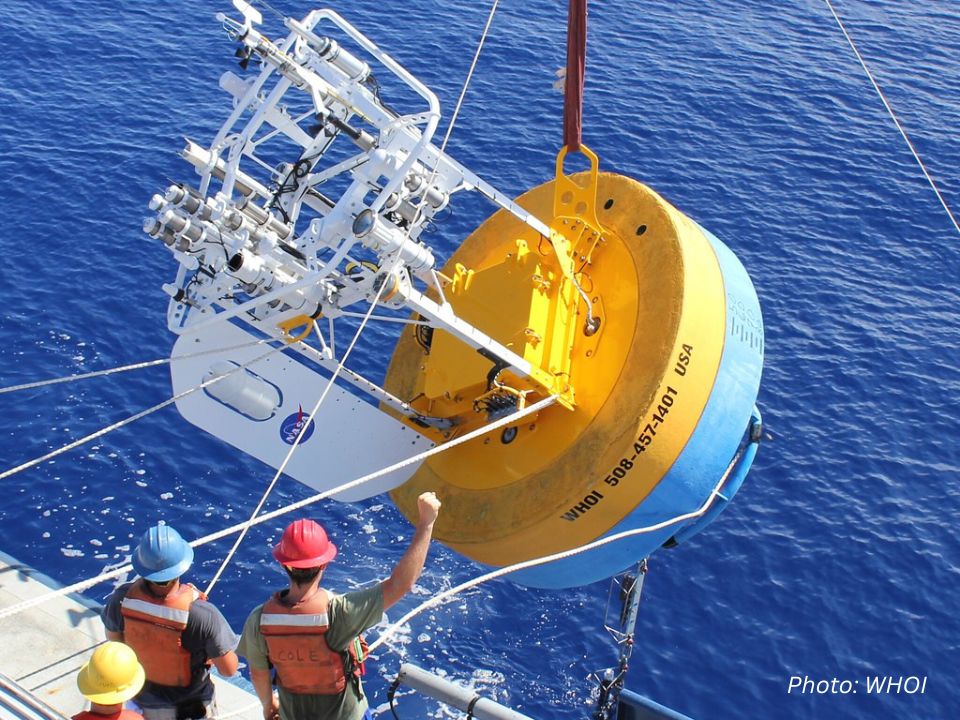
deployment of a moored buoy

Every observation in the ocean contributes to better predictions, safer seas, and more resilient communities.
Together, we can unlock the potential of ocean observations to protect lives, support economies, and build a climate-resilient future.


Our observation network status

Buoys dispersed over wide ocean to capture the latest of the atmosphere and near surface ocean condition.

High quality and standardized observation

The observation is carried out through international standard and quality control procedure.

Barometer upgrade programme

Special collaboration programme to equipe the current available buoys with additional barometer sensors.

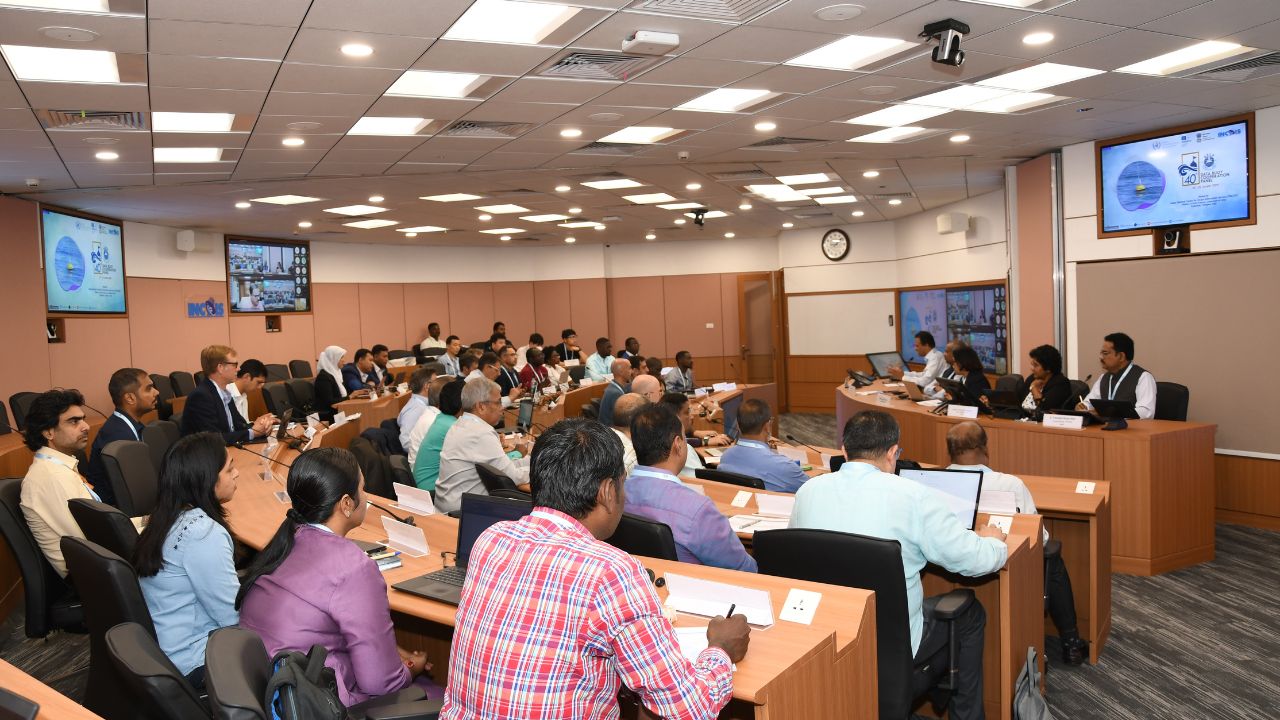
DBCP-40

Beneath the surface of the State of Climate Report

Behind every WMO State of the Climate Report is a story told by the ocean. Much of the report’s understanding of ocean heat content, sea level rise, and marine biodiversity change relies on high-quality data provided by global ocean observation networks — including the DBCP’s buoy systems.

As the ocean absorbs over 90% of Earth’s excess heat, accurate, long-term temperature and pressure data from buoys help track warming trends and thermal expansion, a major driver of sea level rise. These measurements also support models that assess how changing ocean conditions impact marine ecosystems and fisheries — lifelines for millions.

Thanks to the collaborative framework of WMO and IOC-UNESCO, the DBCP feeds critical data into climate research and policy efforts, ensuring decisions about our future oceans are informed by real, reliable evidence.

Supporting the most vulnerable — ocean data for resilience

Small Island Developing States (SIDS) and Least Developed Countries (LDCs) are on the frontlines of climate change — yet often lack the observational infrastructure needed for timely, reliable forecasts. Through global collaboration and regional partnerships, the Data Buoy Cooperation Panel works to fill that gap.

In the South Pacific, for instance, buoy deployments coordinated through DBCP Action Groups have improved wave forecasting and weather monitoring — crucial for fisheries, transport, and disaster response. In East Africa, real-time ocean data supports surge warnings and enhances storm prediction along vulnerable coasts.

By promoting capacity building, encouraging technology transfer, and supporting regional deployment programs, the DBCP ensures that ocean data reaches those who need it most. Initiatives led by the Task Team on Capacity Building empower local experts, while partnerships with agencies like OceanOPS and IOC regional alliances make long-term resilience possible.

We are all connected by the ocean. Let’s work together to ensure no coast is left behind.