
DBCP

Data Buoy Cooperation Panel

Strengthening ocean monitoring for a resilient and sustainable future

About us

The Data Buoy Cooperation Panel (DBCP) is one of the observing networks contributing to the Global Ocean Observing System (GOOS) - an international programme providing leadership and strategic framework for observing the ocean in support of climate forecasting, operational services and ocean health.

Co-sponsored by the UNESCO’s Intergovernmental Oceanographic Commission (UNESCO-IOC), the World Meteorological Organization (WMO), the United Nations Environment Programme (UNEP), and the International Science Council (ISC), GOOS integrates a global network of national observing systems, expert panels, regional alliances, and data providers to enable informed decisions for a sustainable ocean and thriving communities worldwide.

The GOOS observing networks provide long-term, global, high-quality, in-situ observations of Essential Ocean Variables - the key measurements needed to assess ocean state and variability. The real-time visualizations of all network platforms and their metadata can be accessed through OceanOPS - the operational coordination and monitoring centre of GOOS.

Network status

Buoys are dispersed across global oceans to capture the latest atmospheric and near surface oceanographic conditions. Click here to find out our latest observation network status.

Standardized observation

The observations are carried out in line with international standards and quality control procedures. Click here to see how the standardized observations are implemented throughout the network.

Mission

Supporting Meteorologists and Oceanographers Worldwide

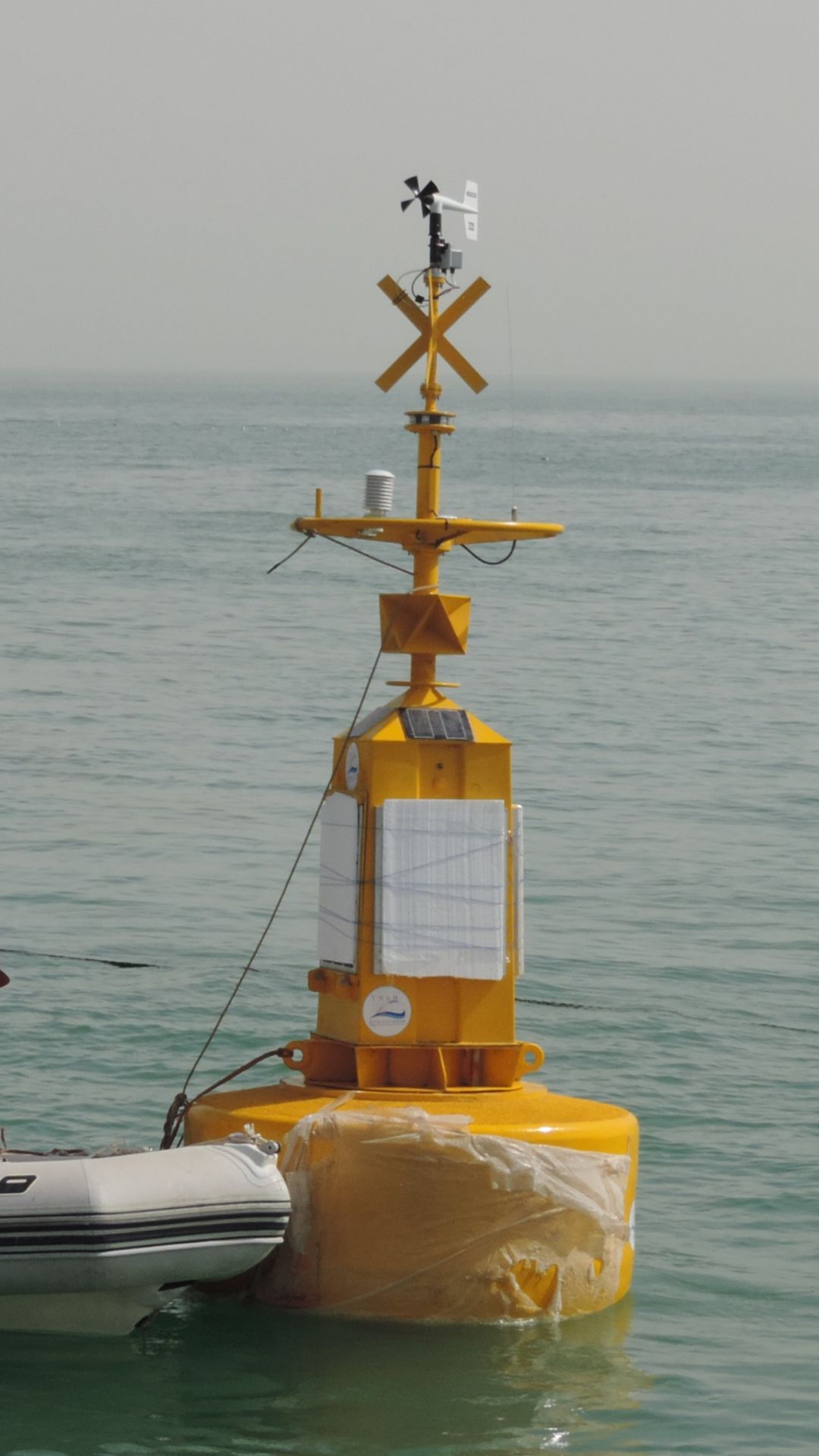
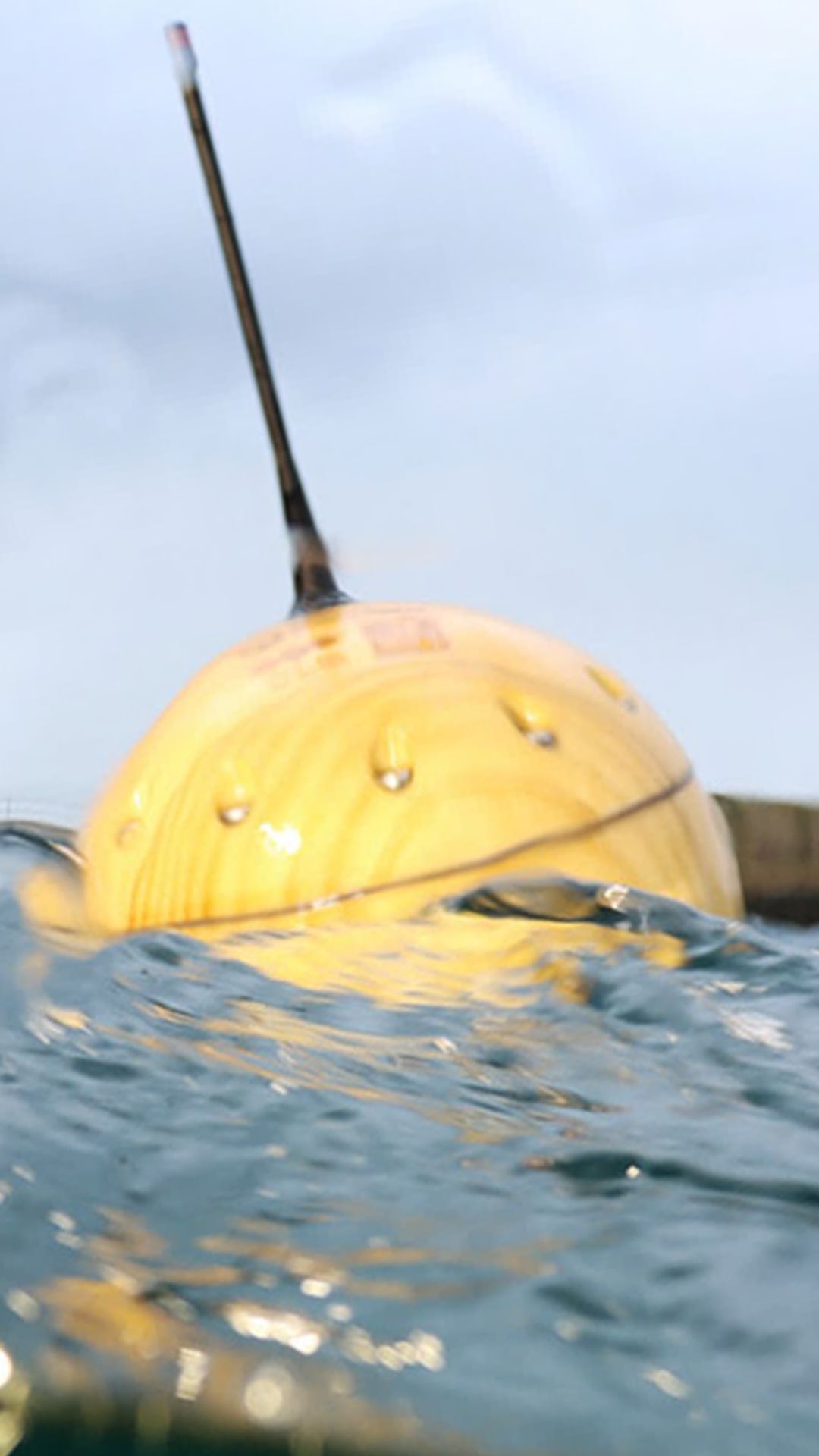
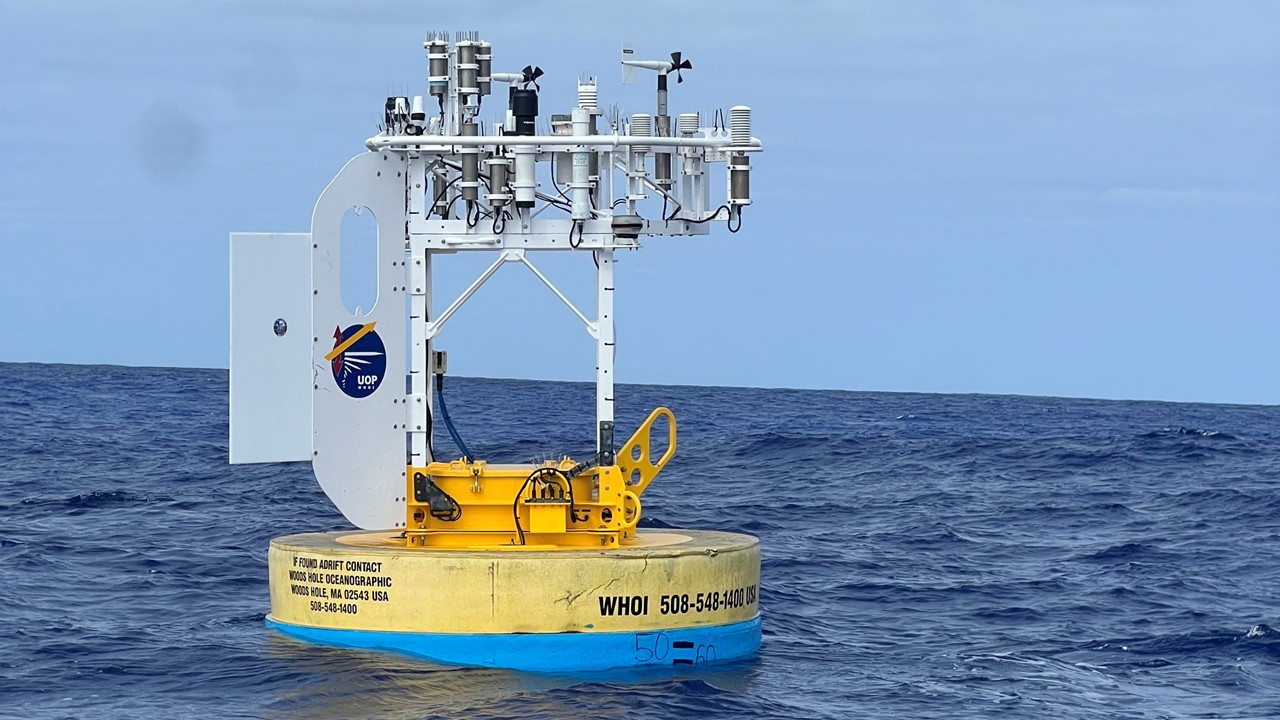
Stratus buoy

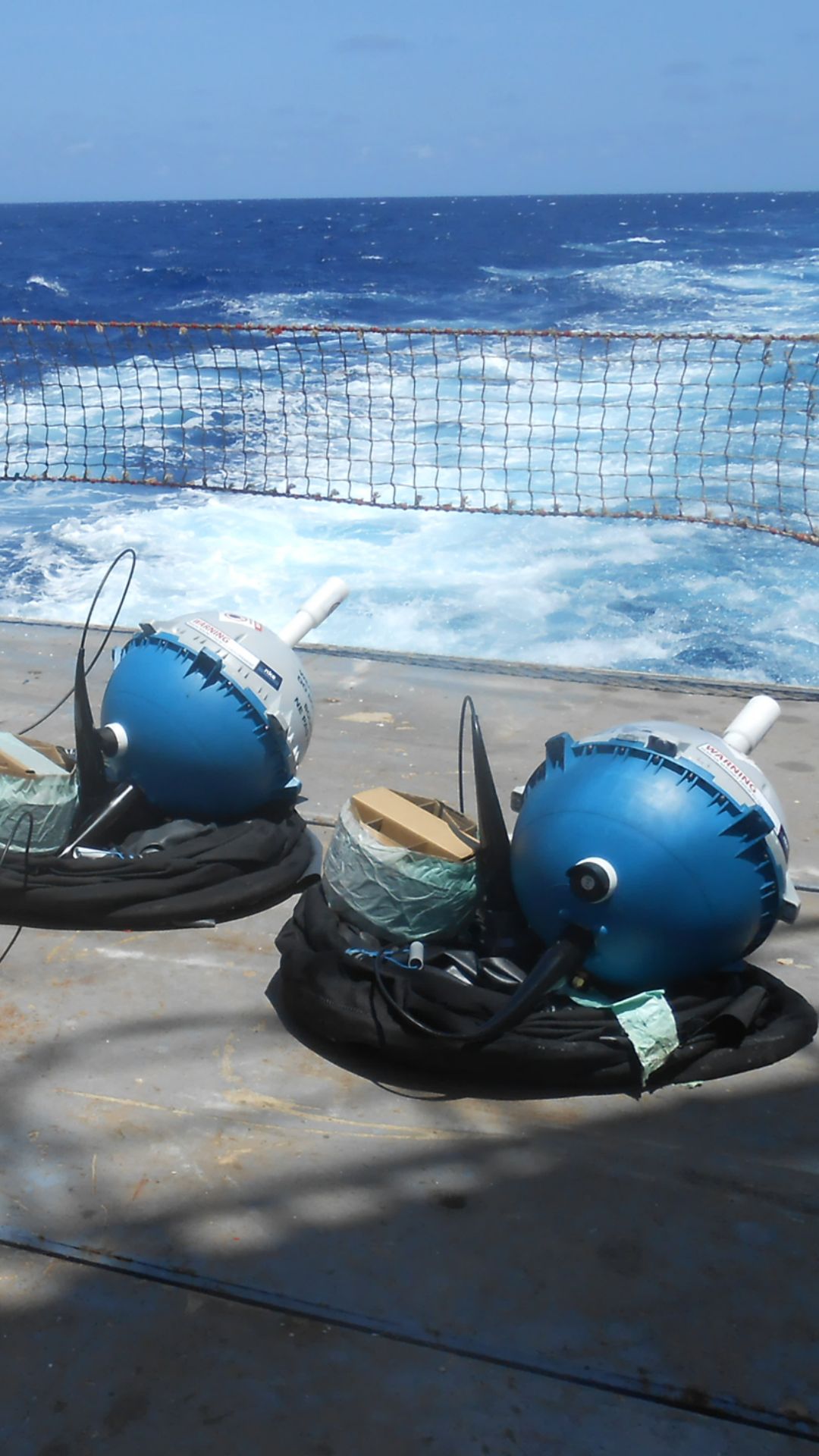
Oversees a network of over 1,250 drifting buoys and 400 moored buoys, the DBCP addresses the growing need for accurate and timely atmospheric and oceanographic data. Its work supports better global forecasts of weather and ocean conditions while contributing to important climate studies and oceanographic research. It provides essential measurements, including sea-surface temperature, surface current velocity, air temperature and wind speed and direction. These observations are critical for improving weather and ocean forecasts, scientific research, and operational models.

One of the focus of the DBCP is identifying and addressing data needs. The panel reviews and evaluates evolving requirements for buoy data to meet the needs of the global community. It works on facilitating deployment and expanding the network, to coordinate and support deployment programs, ensuring the network meets operational and scientific demands. In promoting collaboration and technology sharing, DBCP encourages communication and supports technological advancements, enables the exchange of best practices and innovations. The panel works in improving data quality and accessibility to enhance the availability, quality, and timeliness of buoy data shared. In fostering collaborative efforts, the Panel brings together diverse stakeholders to address common goals through action groups and partnerships. And by engaging with key organizations, the panel works with international and national bodies to harmonize efforts and amplify the impact of its initiatives.
The DBCP operates under a clear framework of strategic aims and activities, which are designed to address the critical needs of the oceanographic and meteorological communities. These aims ensure the effective coordination of resources, the advancement of technologies, and the sharing of valuable data. Together, they guide the panel's efforts to support global observational and forecasting systems:

  1. Reviewing and analyzing the evolving needs for buoy data.
  2. Coordinating deployment programs to align with the goals of the Global Ocean Observing System (GOOS).
  3. Facilitating the exchange of information and development of new technologies.
  4. Enhancing the distribution of buoy data through the Global Telecommunication System (GTS) and WIS2.0.
  5. Supporting action groups to address specific regional or technical challenges.
  6. Building partnerships with organizations worldwide to achieve shared objectives.

Membership in the DBCP is open to IOC and WMO member states and other interested parties, emphasizing the importance of collective action in addressing global challenges. By bringing together nations, organizations, and experts, the DBCP provides a platform for progress in the global ocean and atmospheric observation community.

DBCP-40
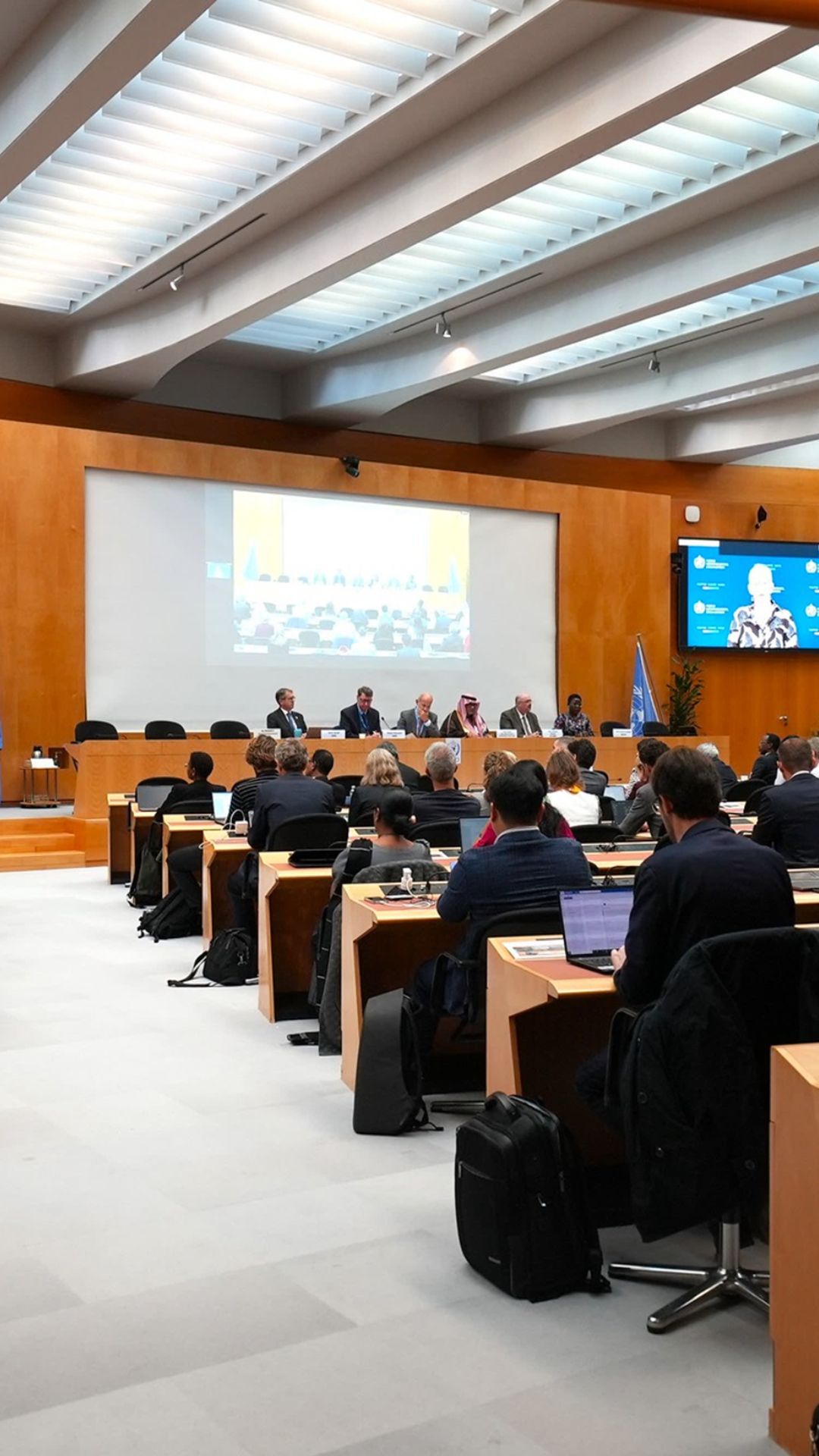
The 40th session of the Data Buoy Cooperation Panel was held at the Indian National Centre for Ocean Information Services (INCOIS), Hyderabad, India from 22-25 October 2024 hosted by the INCOIS.
DBCP-39
The Thirty-ninth Session of the Data Buoy Cooperation Panel (DBCP 39) was kindly hosted by the Agency for Meteorology, Climatology, and Geophysics of the Republic of Indonesia (BMKG) at the Marriott hotel, Denpasar, Bali, Indonesia, as a hybrid event from 23 – 27 October 2023.

Governance

The panel is led by a Chair and Vice Chair and is supported by the WMO and IOC secretariats, OceanOPS Technical Coordinator and an executive board. An international group of members convenes annually to review progress, address challenges, and set future priorities. The Technical Coordinator, based at OceanOPS, plays a vital role in supporting the panel’s efforts. The DBCP also organizes annual Science and Technology Workshops to encourage collaboration and knowledge sharing among experts.

Chairs

Executive Board Members

Operational Excellence

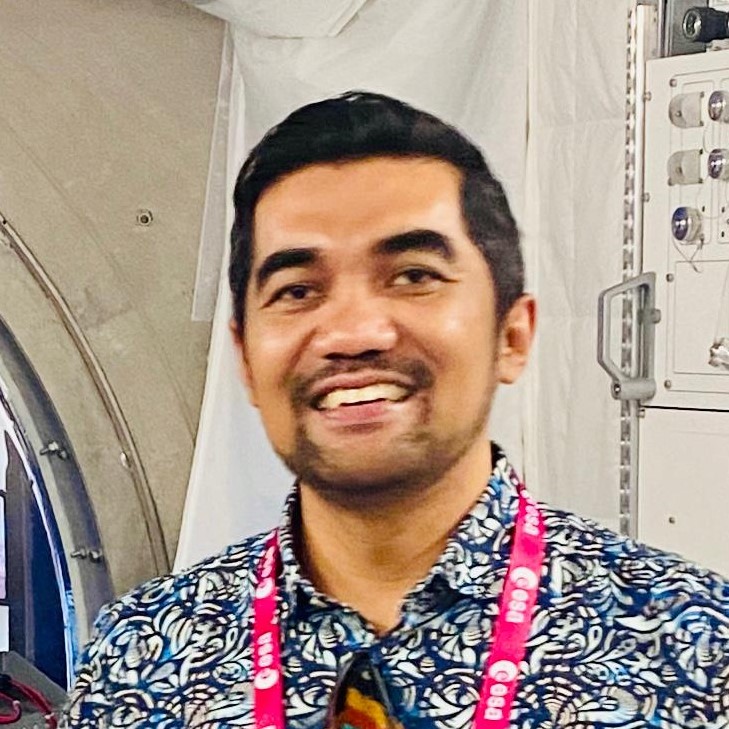
Mr. Bayu Edo Pratama

Scientific Excellence

Mr. Joel Cabrie

International Cooperation and Partnerships

Mr. E. Pattabhi Rama Rao

Data Value and Impact

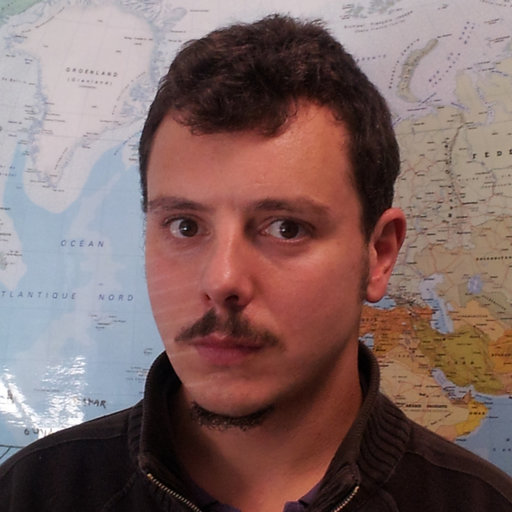
Mr. Marc Lucas

Diversity and Inclusivity

Mr. Fan Jiang

Environmental Stewardship

Ms. Karen Grissom

Ex-Officio Secretariat Support

WMO Secretariat Support

Ms. Champika Gallage

IOC Secretariat Support

Ms. Jing Li

Technical Coordinator

Mr. Martin Kramp

Action Groups

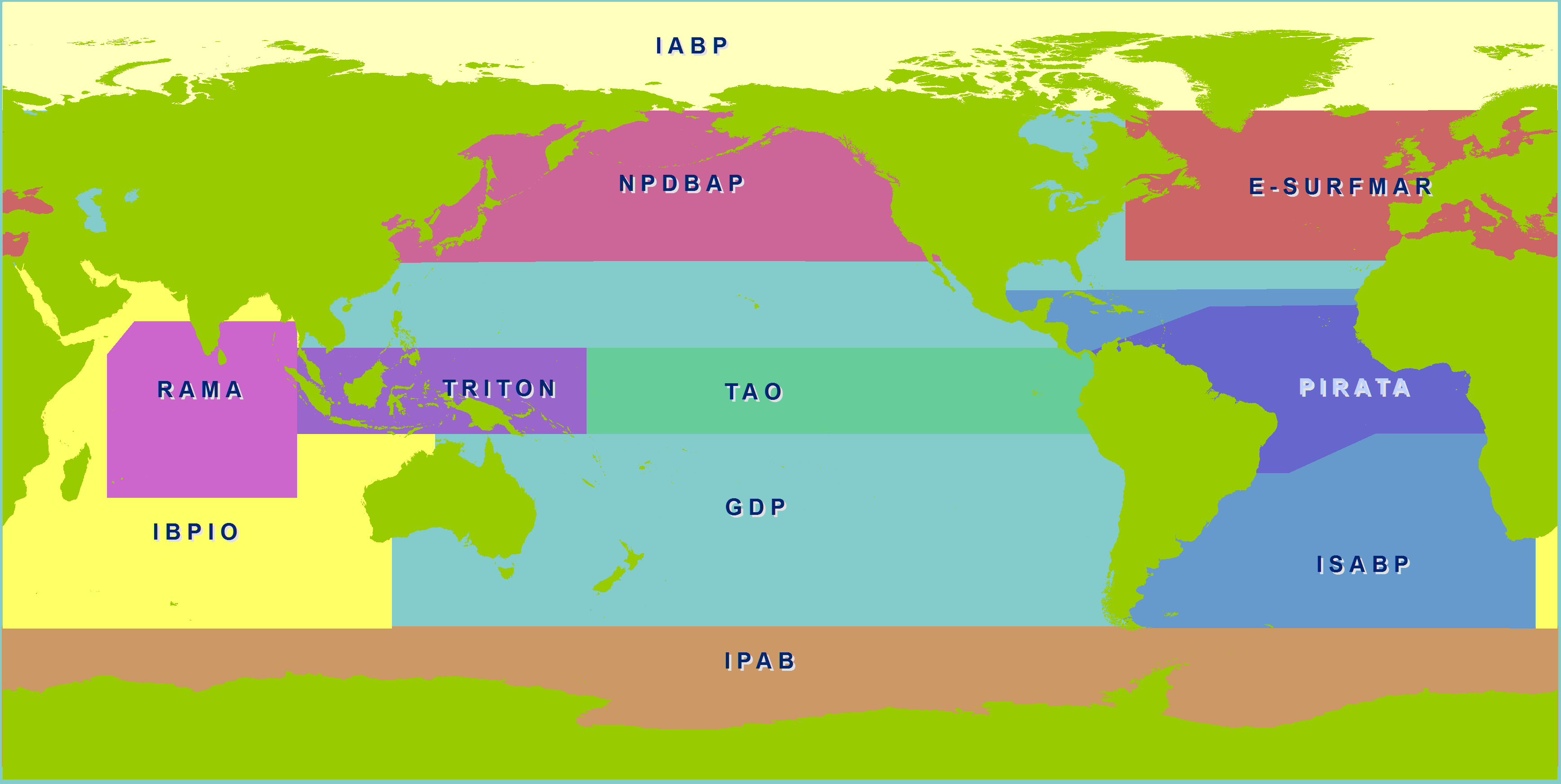
Map of DBCP action groups

The Data Buoy Cooperation Panel (DBCP) Action Groups play a pivotal role in advancing global ocean observation by overseeing independent buoy programs that deliver critical meteorological and oceanographic data. These groups, formally approved by the DBCP, support vital programs like the World Weather Watch and the Global Ocean Observing System, ensuring timely and high-quality data reaches users worldwide. By fostering collaboration and technology exchange, DBCP Action Groups strengthen the international community's ability to monitor and understand our oceans, driving impactful research and environmental stewardship.

The DBCP operates through a variety of teams and groups, including:

Task Teams and Working Groups

There are eight Task Teams and Working Groups working under the DBCP. These Task Teams and Working Groups leads by chair(s) and are a collaboration of experts in the marine observation fields from various organization and partners across the globe.

The DBCP Task Team on Moored Buoys enhances global buoy operations by reviewing systems, fostering collaboration, and promoting multi-disciplinary approaches. It aligns buoy capabilities with ocean observation needs, improve data standards, tracks technology, and ensures compliance with WMO/IOC standards.

The DBCP Task Team on Wave Measurement coordinates intercomparisons of wave data across platforms and promotes high-quality spectral measurements from buoys. It fosters discussions on wave measurement best practices, user needs, and emerging technologies. It develops training materials, contributes to standards for reliable wave data, and shares advancements through workshops and scientific forums.

The DBCP Task Team on Data Management oversees the quality and flow of buoy data, resolving overlaps, and liaising with WMO groups on observation requirements. It improves real-time and delayed-mode data distribution, aligns metadata standards with stakeholder needs, and ensures integration with OceanOPS.

The DBCP Task Team on Environmental Stewardship works to minimize the environmental impact of ocean buoy operations. It develops sustainable best practices, establishes baseline environmental impact assessments, maintains a repository of international regulations, and helps members implement eco-friendly solutions.

The DBCP Task Team on Capacity Building develops and coordinates training programs for buoy operations. It reviews and updates training materials while assessing global capacity-building needs. It collaborates with partners like WMO, IOC/IODE, and GOOS to optimize resources and expand training opportunities.

The DBCP Task Team on Data Value and Impact of Buoys focus on understanding of data buoy users' need and deepen relationships with them. It promote evaluations to optimize observing system design, promote the use of ocean buoy data, contribute and provide leadership in both scientific understanding and technology development for continues improvement of essential ocean and climate variables.

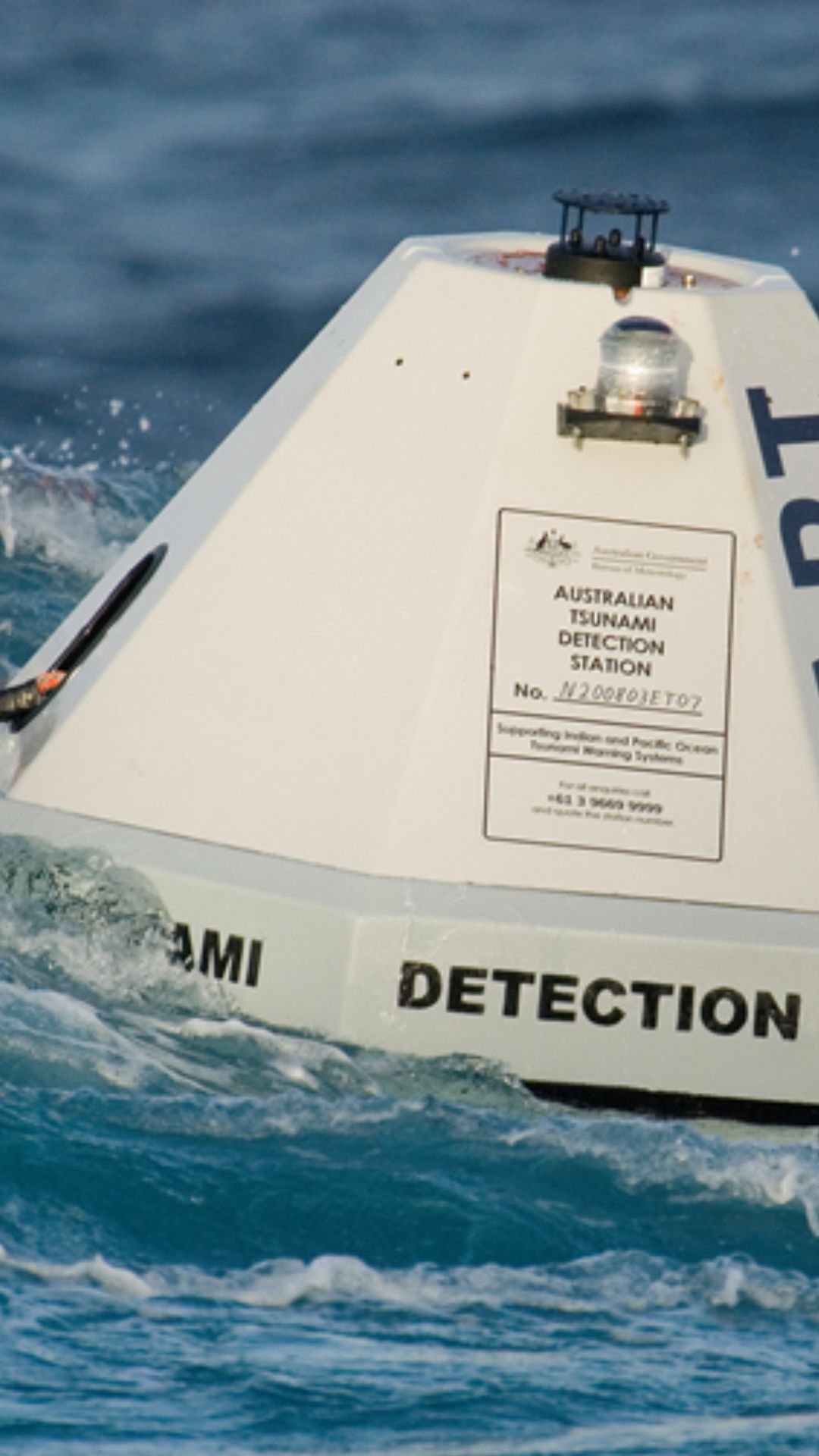
The International Tsunameter Partnership was established under the auspices of the IOC International Cooperation Group for the Indian Ocean Tsunami Warning and Mitigation System (IGC/IOTWS). Its purpose is to support the establishment, effectiveness and on-going viability and enhancement of tsunami detection and warning systems using deep ocean monitoring stations (tsunameters).

The DBCP Working Group on Anti Vandalism was established with the primary objective of ensuring the continued attention within the DBCP, WMO and IOC to the subject of buoy vandalism and to the discovery, sharing and promotion of counter-vandalism best practices throughout the international buoy operator community.