

What is barometer upgrade?
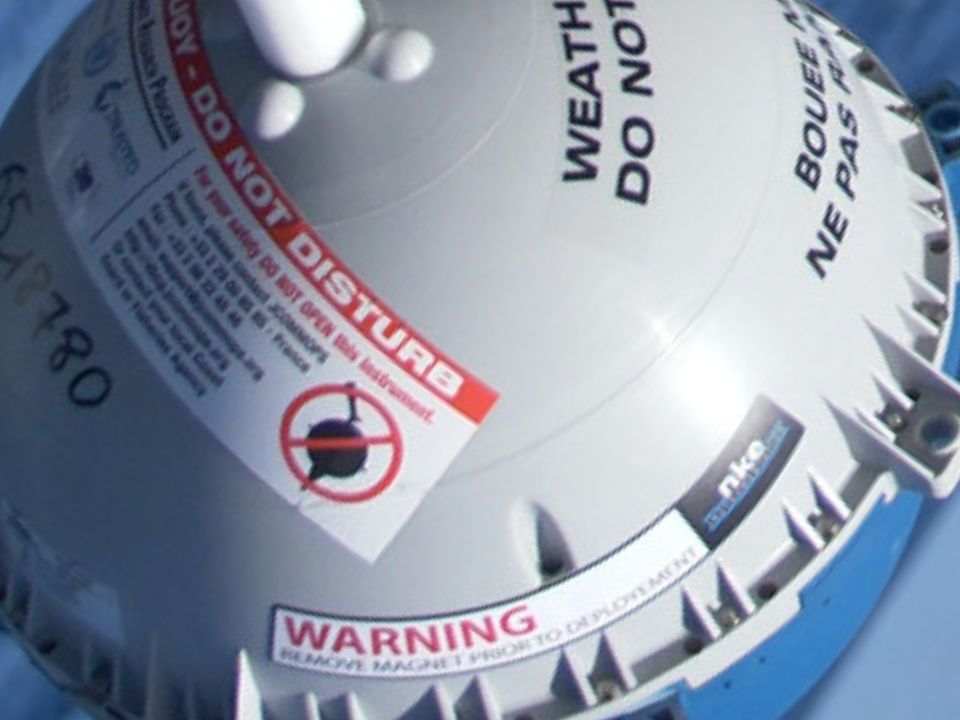
Since its inception, the Data Buoy Cooperation Panel (DBCP) has worked to enhance drifting buoys for both meteorological and oceanographic use. One key improvement is equipping a standard Surface Velocity Program (SVP) drifter with a barometer port to measure sea-level air pressure—critical for weather forecasting, especially in high latitudes. The result is the SVPB (SVP with Barometer). While SVPBs cost more than standard SVP drifters, they provide valuable atmospheric data.
The Global Drifter Program (GDP), part of NOAA’s Atlantic Oceanographic and Meteorological Laboratory (AOML), deploys large numbers of standard SVP drifters worldwide. GDP offers meteorological and oceanographic agencies a cost-effective way to upgrade these drifters with barometers (SVPBs) while only paying for the barometer itself. This expands air pressure data collection without significantly increasing costs.
Conditions for Participation:
- GDP Covers the Drifter Cost: Agencies only pay for the barometer; GDP funds the equivalent of a standard SVP drifter.
- GDP Handles Data Transmission: GDP pays Argos fees and ensures Global Telecommunication System (GTS) distribution.
- Deployment Coordination: Agencies can suggest deployment locations and timing, but final decisions are made in coordination with the Global Drifter Center (GDC) (3–6 months in advance). Agencies providing deployment ships should notify GDC.
- GDC Maintains Ownership & Logistics: Upgraded drifters remain part of the GDC Argos Program, and GDC arranges shipping.
- Manufacturer & Payment: Agencies negotiate the barometer upgrade price directly with manufacturers, in agreement with AOML.
- GDP Not Responsible for Barometer Performance.
- Standard Data Formats Apply: To minimize workload, existing Argos message formats will be used.
- Preferred Deployment Areas: Tropical Atlantic: 30°N – 20°S, Tropical Pacific: 20°N – 20°S, Indian Ocean, and Southern Ocean: 20°S – 55°S (higher latitude deployments possible)
Barometer upgrade benefit